FILMING & TRAVEL POWER / MY GEAR
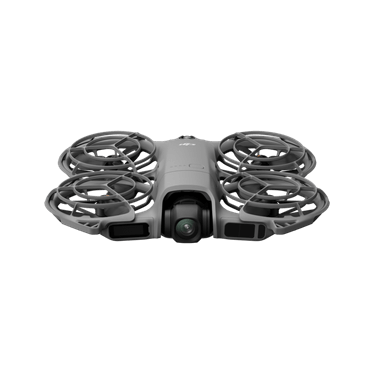
DJI Neo 2 for ski films
My real-world CarveCast discussion of tracking on snow.
Where it fits
The Neo 2 is a way to get a view you can’t get from a camera on your chest or in your hand. I talked through hands-free tracking on snow in episode 28. The interesting bit for me is what the view adds: seeing the skier and their line in relation to the slope rather than simply seeing the slope from the skier’s point of view.
The shot I’d plan
Pick a short passage that makes sense as one shot. Work out how you’ll launch, stop and recover the aircraft before setting off. Think about whether you can keep track of it, the people around you and the way the terrain falls away. Follow local drone rules and resort permissions and leave the drone in the bag if there isn’t a suitable place to fly.
How it sits alongside my other footage
I’d use a tracking shot to show the space and the line, then cut back to a closer view or a voice clip. Half the reason to carry another camera is being able to show something different. If a simple mounted action camera already tells the story, it may be the better tool that day.
What the tracking features are for
DJI describes ActiveTrack, gesture control, palm takeoff and landing, and omnidirectional obstacle sensing on the Neo 2. Those features explain the appeal of a small follow-me camera: a view of the skier moving through the terrain without holding a camera throughout the shot. They do not remove the need to choose a suitable place and stay in control of the flight.
For the film itself, I would decide whether the shot is meant to show technique, the line or the landscape. A distant view can show the mountain beautifully while telling you very little about the turn. Choose the distance and angle for the reason you are filming.
A short sequence that earns its place
I would rather plan one useful tracking sequence than repeat the same view throughout a film. Start somewhere the audience can understand, show the movement clearly and finish with enough time to cut to the next scene. That makes the drone footage part of the story alongside the close-up cameras and the conversation afterwards.
Review the result before repeating it. Check whether the skier remains clear against the snow and whether the framing conveys the terrain. The CarveCast discussion below is where I talk about hands-free tracking on snow. It is useful to watch that context before deciding whether this kind of camera adds something your existing action-camera setup cannot show.